Carpet cleaning tips for Mare Street flats in Hackney
Living in a flat off Mare Street means your carpets work hard. Foot traffic from the hallway, a muddy trek in after a wet London afternoon, the odd coffee spill while you're balancing shopping bags and keys at the door, and before you know it the pile looks tired. Carpet cleaning tips for Mare Street flats in Hackney are not just about making things look nicer for a weekend. They help you protect flooring, keep rooms feeling fresher, and avoid the kind of stubborn marks that creep in when small messes are left too long.
Truth be told, flat living brings its own quirks. Space is tighter, ventilation can be patchy, stairs and shared entrances track in more dirt, and noise matters if you're cleaning early or late. This guide focuses on what actually helps in real Hackney flats: practical methods, safe products, timing, local realities, and a few sensible shortcuts that save time without cutting corners.
Whether you rent, own, or manage a property on or near Mare Street, you'll find straightforward advice here. We'll cover what works, what to avoid, when to call in help, and how to get results that last a bit longer than a quick once-over. Let's get into it.
Why Carpet cleaning tips for Mare Street flats in Hackney Matters
Carpets in flats take a beating in ways people often underestimate. In a house, dirt may spread out more naturally. In a flat, the same traffic tends to funnel through narrow hallways, small entrances, and living rooms that do double duty as dining spaces, home offices, and social areas. That means grit settles faster, especially near the door and along the busiest walking lines.
On Mare Street and the surrounding streets, you also have the usual London mix: rain, construction dust, general city grime, and the occasional splash of something you wish had stayed in the takeaway bag. If you live above ground level, delivery routes and stairwells can mean more tracked-in dirt than you'd expect. If you've got pets, the story changes again. Little paws, wet coats, and shed hair all add up.
There's also the matter of how flats are used. A one-bed rented flat might only have a few carpeted rooms, but those rooms may be used heavily every day. A larger family flat may deal with crumbs, snack spills, craft glue, and muddy school shoes. Different life, same result: carpets need regular attention to stay presentable and hygienic.
Good carpet care matters because it affects more than appearance. It can influence indoor freshness, how dust behaves in the room, and how long your flooring lasts before it starts looking flat and patchy. That's especially relevant if you're a tenant aiming to keep deposit deductions at bay, or a landlord trying to present a property well between lets. If you need broader property upkeep advice, you may also find our end of tenancy cleaning and domestic cleaning pages useful.
There's a simple truth here: the earlier you deal with dirt, the easier life gets. A fresh spill is a five-minute problem. A set-in stain can turn into a whole afternoon. No one needs that.
How Carpet cleaning tips for Mare Street flats in Hackney Works
At its core, carpet cleaning is about removing three things: loose dirt, embedded debris, and residue from spills or cleaning products. A good routine tackles all three. In flat living, the trick is not to overdo it, but to clean often enough that mess never gets a chance to settle deeply.
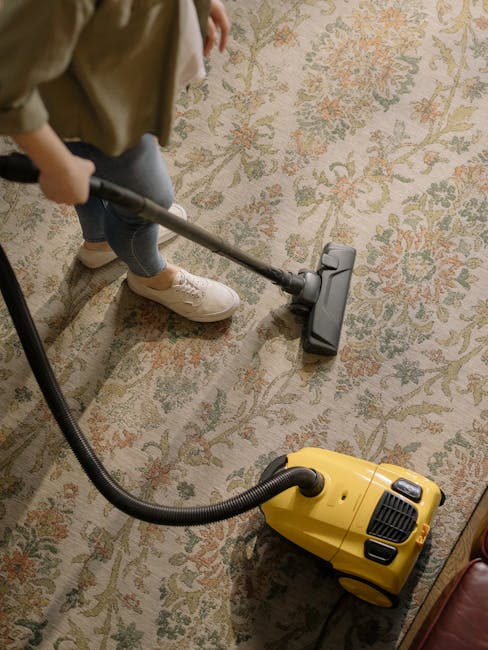
The process usually starts with dry soil removal. Vacuuming first is not optional, really. If you go straight in with water or shampoo, you can turn dust into a sticky paste and push it further into the fibres. That's how carpets end up looking dull even after "cleaning". A proper vacuum pass lifts grit, hair, crumbs, and everyday debris before any liquid treatment begins.
Next comes spot treatment. Small spills should be blotted, not rubbed. Rubbing spreads the stain and can damage the pile. For many common household marks, a small amount of suitable carpet cleaner or diluted solution works better than a heavy soak. The point is to use as little moisture as you need and no more. In a flat, excess wetness is a nuisance because drying space is limited and airflow may not be brilliant, especially in winter.
Deeper cleaning happens when you use a machine or hire a service that extracts embedded dirt. That may be a portable carpet cleaner, a hot water extraction system, or a low-moisture method depending on the carpet type and condition. The best choice depends on fibre, age, and how much soil has built up. For example, a lightly worn bedroom carpet in a rental flat may only need a sensible maintenance clean, while a hallway runner near the front door might need more attention.
One thing people forget: carpets do not all behave the same. Wool, synthetic blends, and loop-pile carpets each react differently to heat, water, and detergents. If you're unsure, test a hidden area first. Always. It's a small step that can save a lot of bother.
For some homes, a regular professional clean makes sense alongside day-to-day upkeep. If you're comparing services, our carpet cleaning page explains the broader service approach, while upholstery cleaning can be handy if sofas and rugs are part of the same problem.
Key Benefits and Practical Advantages
Let's be honest, most people do not clean carpets because they enjoy the process. They do it because they want the flat to feel fresher, look better, and stay in good condition. Fair enough.
Here are the real-world benefits you're aiming for:
- Better first impressions: Clean carpets make the whole flat feel looked after, even if the furniture is minimal and the kitchen is doing its best to look busy.
- Longer carpet life: Dirt acts like fine sandpaper. The more it sits in the fibres, the more it wears them down when people walk over it.
- Less lingering odour: Spills, pet smells, and general day-to-day buildup can make a room feel stale. Cleaning helps reset that.
- Healthier-feeling rooms: Regular vacuuming and occasional deep cleaning can help reduce visible dust and allergens trapped in the pile.
- Deposit and landlord confidence: If you rent in Hackney, keeping carpets tidy can reduce friction at move-out time. Not guaranteed, but it certainly helps.
- Less panic before guests arrive: Sometimes that is the whole reason, and there's no shame in it.
Another practical advantage is time. When you keep on top of small messes, deep cleaning becomes quicker and cheaper. That matters in busy households where nobody has the energy to spend half a Saturday wrestling with a damp patch by the radiator.
The biggest hidden benefit? Peace of mind. A clean carpet changes how a room feels. You notice it when you walk in. The air feels a bit lighter. The floor looks calmer. Small thing, but it counts.
Who This Is For and When It Makes Sense
This guidance is useful for a few different people, and probably more than you think.
Tenants need it when they want to protect their deposit, manage everyday wear, or tidy up after a spill before it becomes a "maintenance issue". If your lease agreement expects the property to be returned in a reasonably clean state, routine carpet care is part of that wider responsibility.
Homeowners in Mare Street flats often want their carpets to last longer without looking tired in the main living spaces. If you work from home, you may notice high traffic around the desk area and chair movement marks. Very common. Very annoying.
Landlords and agents need a simple, repeatable process between tenancies. In smaller flats, carpets can make or break the presentation of the property, especially if the rest of the space is compact and every surface is visible at once.
Families and pet owners may need more frequent cleaning because of crumbs, muddy paws, hair, and the occasional emergency. If that's you, it usually makes sense to combine weekly upkeep with periodic deep cleaning rather than waiting until the carpet looks obviously dirty.
Older or delicate carpets also need caution. A vintage wool carpet or a well-worn loop pile may need a gentler approach than a newer synthetic one. If in doubt, less moisture, less heat, and less product is the safer route.
When does it make sense to act? Ideally before you think it's urgent. If the hallway looks grey near the skirting boards, if a room smells a bit stale after the windows have been shut, or if a spill has been sitting there longer than you'd like to admit, it's time. No drama. Just time.
If you're trying to get a full flat back into shape, our one off cleaning service can help alongside carpet treatment, and oven cleaning is another common add-on when a whole property refresh is needed.
Step-by-Step Guidance
Here's a straightforward process that works well in most Mare Street flats. It is not fancy. That's partly why it works.
1. Clear the space properly
Move light furniture, pick up cables, toys, baskets, and anything else that gets in the way. If a sofa is too heavy to shift fully, slide it carefully or clean around it in sections. Working in clear zones makes the rest easier and stops you missing patches.
2. Vacuum slowly and thoroughly
Go over the carpet in overlapping lines, then repeat from a different angle. The second pass matters more than people think. Slow vacuuming lifts far more dirt than a rushed glide while half-watching the kettle boil.
Pay extra attention to the entrance area, around tables, and along skirting boards. These are the places where dirt settles first.
3. Treat spots before they set
For spills, blot with a clean, dry cloth. Do not scrub. Then use a small amount of appropriate carpet cleaner or a mild solution suited to the fibre type. Always test first in an out-of-sight corner. If the stain is unknown, treat it as if it could react badly and proceed gently.
For greasy marks, blot first and avoid drowning the area. For drink spills, especially coloured ones, speed matters. For mud, let it dry fully before vacuuming off the loose material. Wet mud is just chaos in slow motion.
4. Apply the right cleaning method
Choose one of the following, depending on the situation:
- Maintenance vacuuming: for regular upkeep and light surface dirt.
- Spot cleaning: for small spills and isolated marks.
- Machine cleaning: for deeper dirt, traffic lanes, or post-tenancy refreshes.
- Professional extraction: for heavily soiled carpets, multiple rooms, or delicate materials where you want better control.
5. Use minimal moisture
In flats, especially with limited airflow, using too much water can create drying headaches. Damp carpets take longer to dry, can feel unpleasant underfoot, and may even leave a musty smell if ventilation is poor. A little moisture goes a long way. Less, usually, is better.
6. Dry the area properly
Open windows if conditions allow. Use fans if you have them. Keep foot traffic off the area as much as possible until it's dry. If the carpet feels cool and slightly damp after a few hours, give it more time. Rushing this stage is where many people go wrong.
7. Finish with a final vacuum
Once fully dry, a light vacuum helps lift the pile and remove any loosened residue. This is the bit that often makes the carpet look noticeably better, even if the clean itself was fairly simple.
Small note: if your carpet still feels sticky after cleaning, too much detergent may have been left behind. That's fixable, but it means you'll want to rinse lightly or repeat with cleaner extraction next time.
Expert Tips for Better Results
Most good carpet results come from small habits, not dramatic efforts. A few useful refinements can make a proper difference.
- Work from the outside of the stain inward. This helps stop the mark from spreading.
- Use white cloths or plain towels for blotting. Coloured cloths can transfer dye, which is the last thing you want.
- Rotate furniture when possible. It spreads wear more evenly and stops one patch looking flattened while the rest looks fine.
- Vacuum more in winter and wet weather. Hackney weather has a way of dragging in extra dirt, especially near entrances.
- Refresh hallways more often than bedrooms. High-traffic areas always need more attention.
- Mind the carpet pile direction. You can sometimes make a carpet look better simply by brushing or vacuuming in the same direction at the end.
Here's a small but useful one: if you're cleaning a room in the evening, let the carpet dry before you shut the windows for the night if conditions allow. Otherwise, you can trap moisture and wake up to that slightly off smell nobody enjoys. Been there, not fun.
Another sensible tip is to keep a tiny "spill kit" nearby. Nothing elaborate. Just a cloth, a neutral carpet cleaner, and maybe a small brush. When a spill happens, you don't want to be rummaging through cupboards while red sauce slowly settles into the pile. That's how a five-minute job becomes a story you tell for years.
If your property has mixed flooring, it can help to coordinate carpet care with other routines. Our floor cleaning page is useful if you're dealing with hard floors as well, while office cleaning can be relevant for flats used as home workspaces.
Common Mistakes to Avoid
Some carpet problems are caused less by the stain itself and more by how people try to fix it. A few missteps keep showing up.
- Scrubbing aggressively. This damages fibres and often pushes the stain deeper.
- Using too much water. More water does not equal more clean. Often, it just means more drying time and more risk of residue.
- Skipping vacuuming first. That traps loose dirt and can turn cleaning solutions muddy very quickly.
- Using the wrong product on the wrong fibre. Wool and synthetics do not always react the same way.
- Leaving spills until "later". Later is usually the problem.
- Over-wetting near edges and under furniture. Those areas dry slowly and are easy to forget.
- Not testing a cleaner first. A hidden test patch takes seconds and can save the whole room.
One more: don't assume a carpet looks clean just because it smells of product. That fresh scent can be masking residue rather than indicating real cleanliness. Slightly cheeky marketing has taught people the wrong lesson there, if we're honest.
Tools, Resources and Recommendations
You do not need a room full of equipment to keep a flat carpet in decent shape. A few sensible basics go a long way.
| Tool or item | What it helps with | Best use in a flat |
|---|---|---|
| Vacuum cleaner with decent suction | Loose dirt, dust, hair, crumbs | Weekly cleaning and touch-ups near doors |
| Microfibre cloths | Blotting spills without spreading them | Keep one in the kitchen and one near the living room |
| Carpet spot cleaner | Small marks, drink spills, everyday stains | Use sparingly after a test patch |
| Soft brush | Lifting fibres, working cleaner in gently | Best for small problem areas |
| Portable carpet cleaning machine | Deeper cleaning and extraction | Useful if you clean carpets regularly and have storage space |
| Fans or good airflow | Faster drying | Very helpful in compact rooms with limited ventilation |
If you rent, it can be worth checking your tenancy agreement before using any stronger products. Some landlords are particular about carpet condition, and some carpets are older than they look. If the property has been professionally cleaned before, repeating that standard at handover can make life much smoother.
For end-of-tenancy situations, a wider clean often makes more sense than tackling carpets alone. Our after builders cleaning page may also be relevant if you've had work done and dust has settled everywhere, because builders' dust has a sneaky way of landing in carpet fibres.
Law, Compliance, Standards, or Best Practice
This topic is not heavily regulated in the way some trades are, but there are still sensible standards and obligations to keep in mind.
If you are a tenant, your tenancy agreement may set expectations around reasonable cleanliness and returning the property in good condition, allowing for fair wear and tear. That does not mean you have to make carpets look brand new after normal use. It does mean you should avoid leaving avoidable damage, stains, or excess residue behind. Fair wear and tear is normal. Neglect is different.
If you are a landlord or managing agent, best practice is to keep records of carpet condition at check-in and check-out, ideally with dated photos and clear notes. That makes decisions far easier later on. Not glamorous, but very useful.
From a practical safety angle, cleaning products should always be used according to their instructions. Ventilation matters, especially in small flats. If you're mixing products, stop and don't. That is how harmless-looking cleaning jobs turn into irritating ones.
If a carpet is damaged, heavily stained, or made from a delicate fibre, cautious treatment is better than pushing ahead with a stronger chemical. That is especially true in older buildings or flats with carpets that have been in place for years. A gentle approach is usually the best professional one.
In shared buildings, think about noise and access as well. Running a machine late at night on Mare Street might not make you popular. Common sense beats heroics here.
Options, Methods, or Comparison Table
Choosing the right cleaning approach depends on how dirty the carpet is, how much time you have, and whether you're dealing with a quick refresh or a more serious clean. Here's a simple comparison.
| Method | Best for | Pros | Limitations |
|---|---|---|---|
| Vacuum-only maintenance | Weekly upkeep, light dirt | Fast, easy, protects pile | Won't remove stains or deep soil |
| Spot cleaning | Fresh spills, isolated marks | Cheap, targeted, quick | Can fail on old or set stains |
| Portable machine cleaning | Moderate dirt, flats with a few rooms | Good balance of control and depth | Needs drying time and storage space |
| Professional extraction | Heavy traffic areas, end-of-tenancy cleans, delicate handling | Stronger results, less effort for you | Costs more than DIY and needs scheduling |
In a compact flat, a lot of people do best with a combined approach: vacuum regularly, treat spills quickly, then schedule a deeper clean when the carpet starts looking tired rather than waiting for it to become a project. That's the sweet spot, really.
Case Study or Real-World Example
A common Mare Street scenario goes like this. A tenant in a two-bed flat notices the living room carpet has started to look grey along the walkway from the sofa to the kitchen. There's also one older tea stain near the window and a faint smell after the windows have been shut during a cold snap. Nothing dramatic, but enough to make the room feel off.
Instead of renting a machine straight away, they start with a thorough vacuum, including the corners and the skirting edges. Then they blot the tea mark with a cloth and a suitable carpet cleaner, testing first in a hidden area. After that, they clean the traffic lane in sections, keeping moisture low and opening windows for airflow during the day. Once the carpet is fully dry, they vacuum again.
The result is not magic. The stain is lighter, the traffic lane is less obvious, and the room feels fresher. The carpet is still a lived-in carpet, because of course it is, but it no longer draws your eye the moment you walk in. That's usually the real goal. Not perfection. Just noticeable improvement.
If the same flat had thick pet hair, several stains, or carpet that had not been deep cleaned in a long time, the better move might have been a professional visit. Choosing the right level of effort matters. No point doing a small job with huge machinery if the carpet only needed proper care and patience.
Practical Checklist
Use this before, during, and after cleaning. Simple enough, but it stops the usual mistakes.
- Vacuum the entire carpet slowly before using any liquid.
- Check the carpet fibre if you know it, or test a hidden patch first.
- Blot spills rather than scrubbing them.
- Use only a small amount of cleaner at a time.
- Keep moisture under control in small or poorly ventilated rooms.
- Open windows or use fans to help drying where safe and practical.
- Avoid walking on damp carpet until it is fully dry.
- Vacuum again after the carpet has dried to lift the pile.
- Move furniture back only when the area is completely dry.
- Deal with stains early, not "when you get time".
Quick expert summary: for most flats in Hackney, the best carpet care is a mix of steady vacuuming, prompt spot treatment, and occasional deeper cleaning. Use less water than you think, dry thoroughly, and don't wait for visible dirt to become the reason you act.
Conclusion
Carpet care in a Mare Street flat does not need to be complicated. The main thing is to stay ahead of dirt rather than chasing it after it has settled in. A careful vacuum routine, quick spot treatment, and the right cleaning method for your carpet type will take you a long way.
In a busy part of Hackney, with weather, foot traffic, and compact living all doing their bit, carpets need a bit of attention to stay fresh. But once you get a simple rhythm going, it becomes much less of a chore. Honestly, it's one of those jobs that pays you back every time you walk into the room.
If you need help with a bigger reset, or you're getting a property ready for inspection or new tenants, consider combining carpet care with a wider cleaning plan so the whole flat feels sorted, not just one room.
Get a free quote today and see how much you can save.
And if you do nothing else this week, at least deal with the little spill before it turns into a big one. Future you will be quietly grateful.
Frequently Asked Questions
How often should carpets be cleaned in a Mare Street flat?
For most flats, weekly vacuuming is the baseline, with spot cleaning as needed and a deeper clean every so often depending on traffic, pets, and lifestyle. Hallways and living rooms usually need more attention than bedrooms.
Can I clean carpet myself in a small Hackney flat?
Yes, absolutely. A careful DIY clean works well for light soil, fresh spills, and general upkeep. Just keep moisture low, test products first, and make sure the carpet dries properly before heavy use.
What is the best way to remove a fresh stain?
Blot it immediately with a clean cloth, working from the outside in. Then use a suitable carpet cleaner in small amounts. Scrubbing usually makes it worse, so go gently.
Are carpet cleaning machines worth it for flats?
They can be, especially if you have pets, children, or a lot of foot traffic. The main trade-off is storage space and drying time. For some people, occasional professional cleaning is simpler.
How long does a carpet take to dry in a flat?
Drying time depends on ventilation, carpet thickness, and how much liquid was used. In a flat with limited airflow, it can take longer than people expect. Fans and open windows help when conditions allow.
Will carpet cleaning remove old stains completely?
Sometimes, but not always. Old stains are harder because they may have bonded with the fibres or changed colour. A lot depends on the carpet material and the stain itself. Better results usually come from treating marks early.
Is steam cleaning safe for all carpets?
No, not automatically. Some carpets handle hot water extraction well, while others, especially delicate fibres, need a gentler approach. It's wise to check the carpet type first or test a hidden section.
What should tenants in Hackney watch out for when cleaning carpets?
The main things are damage, excess moisture, and residue from cleaning products. Tenants should also keep an eye on any tenancy requirements for returning the flat in reasonable condition and avoid causing avoidable wear.
Can I use vinegar or baking soda on carpet?
People do use them, but they are not universal fixes. They may help in some cases and be unhelpful in others. Always test first and avoid assuming a homemade mix will suit every carpet fibre or stain type.
How do I keep hallway carpet cleaner for longer?
Use doormats, vacuum the entrance zone more often, and deal with outdoor dirt before it spreads through the flat. In a busy building, the hallway is usually the first place to show wear.
When should I call a professional cleaner instead of doing it myself?
If the carpet is heavily soiled, has multiple stains, smells persist after basic cleaning, or you're dealing with a delicate material, professional help is usually the safer choice. It can also make sense for end-of-tenancy cleans or move-in prep.
Does regular vacuuming really make a difference?
Yes, more than people think. Vacuuming removes loose grit before it grinds into the fibres, which helps carpets last longer and look cleaner. It's the least glamorous step, but probably the most important one.