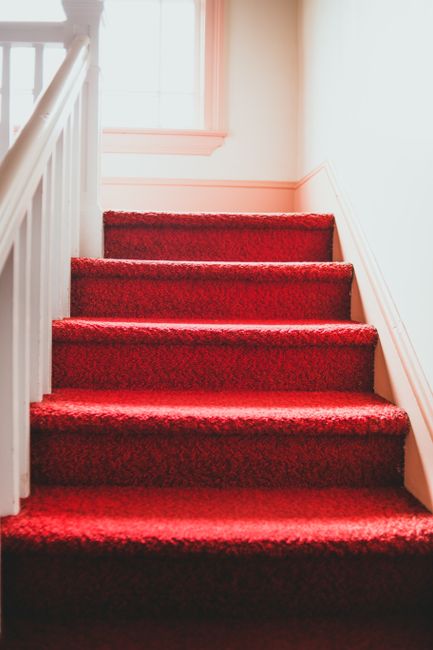
What to know about narrow stairs and Hackney carpet cleaning
If you live in a Hackney terrace, a converted flat, or one of those beautiful older London homes where the staircase seems to have been designed for a different era, you already know the challenge: getting carpet cleaning done without turning the hallway into a juggling act. What to know about narrow stairs and Hackney carpet cleaning is really about one simple thing - making sure the clean is effective, safe, and practical when access is tight.
That matters more than people think. Narrow stairs can affect how equipment is carried, how long the job takes, what cleaning method works best, and whether there are any risks to walls, banisters, or freshly painted skirting boards. In some homes, it can even determine whether a technician needs to adjust the approach entirely. The good news? With the right preparation, narrow staircases are absolutely manageable. Let's walk through what usually makes the difference.
Why What to know about narrow stairs and Hackney carpet cleaning Matters
Narrow stairs are not just a minor inconvenience. They shape the whole cleaning experience. A stair runner, a tight turn at the landing, or a steep staircase with limited headroom can affect access, drying time, and the type of machine that can realistically be used. In a busy Hackney property, where people are often in and out, that practical detail becomes even more important.
For domestic jobs, the biggest issue is usually space. There may be no room to manoeuvre a bulky machine, and every movement has to be planned so walls and corners stay protected. For shared homes or converted buildings, the stairwell itself may also be high-traffic, so the cleaner has to work efficiently and neatly. Nobody wants wet footprints trailing through a hallway. Nobody.
It also matters because the wrong approach can create avoidable problems. Overly aggressive equipment, poor water control, or rushed movement can mark painted surfaces or leave excess moisture behind. On narrow stairs, those small errors are more noticeable. The job has to be tidy from the first step to the last.
If you are comparing providers, it helps to look beyond the cleaning process itself and think about planning, access, and care. A reputable team should be able to explain how they handle tight staircases, what preparation they need, and whether any rooms or landings should be cleared before they arrive. If you want to understand the wider service offering too, it can be useful to review the main carpet cleaning service and, where relevant, their steam carpet cleaning approach for different carpet types.
How What to know about narrow stairs and Hackney carpet cleaning Works
In practice, cleaning narrow stairs starts long before the machine switches on. A good technician will usually begin with an access check: how wide is the stairway, where are the turns, what is the carpet material, and what obstacles are in the way? Those answers guide everything else. It sounds obvious, but on a compact staircase, a few centimetres can change the whole setup.
Once access is understood, the cleaner will often decide between a portable extraction method, targeted spot treatment, or a more delicate low-moisture process. The right choice depends on carpet fibre, stain type, and how much water the staircase can handle without becoming slippery. On painted walls or delicate trims, a cleaner may use extra edge protection or slower movement. That is not overcautious - it is sensible.
Here is the basic flow many jobs follow:
- Inspect the staircase, carpet condition, and access points.
- Move light items and make the route safer.
- Vacuum thoroughly, including corners and tread edges.
- Pre-treat stains, traffic lanes, and worn areas.
- Apply the chosen cleaning method with controlled moisture.
- Work step by step to avoid over-wetting the carpet.
- Check drying conditions and give practical aftercare advice.
That last step is easy to overlook. On narrow stairs, airflow can be limited, so drying can take a little longer than on a larger landing or open-plan room. A sensible cleaner will say so upfront. To be fair, that honesty is usually a good sign.
When carpets are badly soiled, or when there is pet odour, a more tailored treatment may be needed. For example, if the issue is not just soil but lingering smell from previous accidents, a service such as pet stain and odour removal can be more appropriate than a standard surface clean. Likewise, if the stair carpet is heavily marked in specific spots, a focused stain removal approach may help before the main clean begins.
Key Benefits and Practical Advantages
The biggest benefit of planning around narrow stairs is simple: the job is more likely to be done properly first time. That saves hassle, reduces the chance of damage, and usually gives a better finish. But there are a few other advantages worth spelling out.
- Less risk of scuffing and collision damage. Careful handling matters when the stairwell is tight.
- Better cleaning results. A method chosen for the space often performs better than a one-size-fits-all approach.
- Faster, smoother appointments. Good access planning cuts out awkward backtracking.
- Safer drying conditions. Controlled moisture helps prevent slippery treads.
- More realistic expectations. You know what can and cannot be done in the available space.
There is also a comfort factor. When a cleaner is obviously prepared for a cramped staircase, it puts you at ease. You are less likely to feel like the hall is being treated as an afterthought. That sounds small, but it really changes the experience.
And yes, clean stairs make a home feel better in a very immediate way. You notice it when you walk upstairs in the evening, especially after a damp day in London. The carpet looks fresher, smells cleaner, and the whole landing feels less tired. Simple, but effective.
If your broader goal is a full property refresh, narrow stair cleaning can be part of a larger service plan. For example, some households pair stair cleaning with deep cleaning, while landlords or tenants may combine it with end of tenancy cleaning to present the property properly before handover.
Who This Is For and When It Makes Sense
This topic is most relevant for people living in older Hackney properties, split-level flats, maisonettes, and converted houses. Narrow stairs are common in these homes, and so are awkward corners, short landings, and tight turns. If that sounds familiar, you are very much not alone.
It also makes sense for:
- Homeowners who want to protect newly fitted carpet on steep stairs
- Tenants preparing for an inspection or move-out
- Landlords maintaining shared stair access between floors
- Busy families who need traffic marks lifted without disrupting the whole house
- Small offices or converted workspaces with stair-only access
The service is especially useful when the staircase gets heavy use. You will usually see darkening on the centre line of each tread, dust gathering at the edge of the nosing, and the odd spill near the turn in the staircase. If there are pets or children in the home, the wear builds faster. That is just life, really.
If your property is rented or used as short-stay accommodation, you may also want to pair stair cleaning with Airbnb cleaning or move-out cleaning, depending on whether the goal is guest turnaround or final departure. In shared buildings, the relevant support might be communal area cleaning rather than a one-off room clean.
Sometimes the sensible answer is not "clean everything right now" but "schedule the clean when the home is ready for it." If furniture, laundry baskets, or bikes are blocking the stairwell, give the booking a little breathing space. It is easier for everyone.
Step-by-Step Guidance
Here is a practical way to prepare for carpet cleaning on a narrow staircase. Nothing fancy. Just the steps that actually help.
- Measure the access points. Check the width of the stairs, the landing, and any tight turns. If the machine has to be carried upstairs, this matters a lot.
- Clear the route. Move shoes, baskets, plants, and anything that could catch a hose or carry dust back into the clean area.
- Check the carpet type. Wool, blended fibres, and synthetic carpets often respond differently to moisture and agitation.
- Identify problem areas. Make note of stains, worn patches, pet odours, and any loose edging.
- Discuss access with the cleaner. Tell them about tight stair turns, parking restrictions, or building entry codes before the appointment.
- Protect sensitive surfaces. Ask about corner guards, cloths, or other protection where walls are close to the staircase.
- Plan drying time. Keep foot traffic low until the carpet is properly dry.
A small practical tip: if the staircase is especially tight, take a quick photo before the appointment. It helps everyone get on the same page. Not glamorous, but useful. A quick picture of the turns and landings can save a lot of back-and-forth later.
Another sensible move is to ask whether the team can handle adjacent items at the same visit, especially if the staircase links to bedrooms or a landing with upholstered furniture. In some homes, it makes sense to combine the job with upholstery cleaning or rug cleaning so everything dries and settles together.
Expert Tips for Better Results
These are the things that tend to make a real difference on narrow stairs. They are not dramatic, just quietly effective.
- Vacuum edge to edge before any wet cleaning. Dust trapped on the tread edge turns into muddy residue quickly.
- Go easy on water. On narrow stairs, controlled moisture is often better than a heavy soak.
- Work from the top down where practical. That reduces the chance of walking over freshly cleaned steps.
- Ask for focused pre-treatment on the tread centre. That is usually where the grime sits.
- Keep windows open if possible. Better airflow helps with drying, even on a chilly Hackney morning.
- Use stair-safe footwear after cleaning. Dry socks are not always enough if the carpet is still slightly damp.
One thing people often underestimate is the amount of detail on a staircase. The corners, the crease where the tread meets the riser, and the edge by the balustrade all collect grit. You can see it once it is cleaned, almost like the staircase has exhaled a bit. That fresh look is what makes the job feel worth it.
If the home includes pets, ask the cleaner how they handle recurring odours rather than just visible marks. For ongoing freshness, a service like regular cleaning can be more practical than waiting until the carpet is badly marked. Less drama. Fewer surprises.
Common Mistakes to Avoid
Most problems on narrow stairs come from rushing. That is the honest answer. The space is awkward, so people try to get it over with quickly, and that is when details get missed.
- Booking without checking access. A machine that fits through the front door may still struggle with the stair turn.
- Ignoring carpet fibre type. Different fibres need different handling, especially on steep or narrow steps.
- Over-wetting the carpet. This can slow drying and increase the risk of a slippery staircase.
- Not protecting walls and bannisters. Tight spaces make accidental contact more likely.
- Forgetting about drying traffic. People stepping onto damp stairs too soon can undo the work.
- Trying to remove every stain with one product. That is rarely how it works, despite what the bottle might suggest.
Another mistake is treating stair cleaning as separate from the rest of the property. If your hallway, landing, or adjoining rooms are also dusty, the staircase will get dirty again more quickly. In some cases, a cleaner may recommend pairing the job with house cleaning or one-off cleaning so the overall result lasts longer.
And one more, slightly awkward but real: don't hide the difficult bits. If there is a loose stair rail, a wobbly step, or a stain you have been trying to scrub for months, say so. It helps the cleaner plan properly and avoids that slightly awkward "oh, that's a bit more involved than expected" moment.
Tools, Resources and Recommendations
You do not need a shed full of gear to prepare for stair carpet cleaning, but a few simple tools help. The cleaner will usually bring professional equipment, yet your own preparation still matters.
| Tool or resource | Why it helps | Best use on narrow stairs |
|---|---|---|
| Hoover or vacuum cleaner | Removes loose dust before deeper cleaning | Use the nozzle carefully along edges and corners |
| Microfibre cloths | Good for quick spot blotting | Handy for fresh spills before the appointment |
| Stair guards or corner protection | Reduces scuffing on painted surfaces | Useful where walls are very close |
| Strong airflow | Helps carpets dry faster | Open windows or doors where possible |
| Clear booking notes | Helps the cleaner plan equipment and access | Especially useful for tight turns and stair-only access |
When choosing a provider, look for clear information on service scope and process. Pages like pricing and quotes and insurance and safety are useful because they help you judge whether the business is organised and transparent. That is not about ticking boxes. It is about peace of mind.
If you are cleaning stairs in a home that has been recently decorated or refurbished, a broader service like after builders cleaning may be relevant as well, because fine dust can settle into stair carpets and landings in a way that looks stubborn until properly removed.
Law, Compliance, Standards, or Best Practice
For most homeowners, this is less about legal complexity and more about sensible duty of care. In the UK, carpet cleaning work in a domestic setting is usually governed by common-sense safety practices, proper handling of equipment, and good communication about risks. If a staircase is narrow, the key issue is preventing slips, trips, and accidental damage.
From a best-practice perspective, a cleaner should think about:
- Slip reduction while the carpet is damp
- Safe movement of equipment through tight access points
- Protection of property surfaces such as painted walls, bannisters, and trim
- Appropriate product use for the carpet fibre and condition
- Clear customer communication about drying, access, and limitations
If the property is commercial or shared, the expectations are a bit higher around planning and access coordination. In those cases, it can make sense to combine stair cleaning with commercial cleaning, commercial carpet cleaning, or communal area cleaning, depending on how the building is used.
For customer-facing businesses, clearer service terms also matter. You may want to review terms and conditions and the company's complaints procedure so expectations are realistic from the start. That sort of transparency is reassuring. It should be.
Options, Methods, or Comparison Table
Not every staircase needs the same method. A compact stair carpet in a Victorian conversion is different from a durable synthetic runner in a busy household. Here is a simple comparison of common approaches.
| Method | Best for | Strengths | Limitations |
|---|---|---|---|
| Steam or hot water extraction | General deep cleaning, traffic lanes, embedded dirt | Very effective on many carpets; good for heavy soil | Needs controlled moisture and sensible drying time |
| Low-moisture cleaning | Tight stairways, delicate access, quicker turnaround | Faster drying; less water on the staircase | May not suit every stain or fibre |
| Spot treatment first, main clean second | Stairs with a few stubborn marks | Targets the worst areas without overworking the whole carpet | Still needs a compatible main cleaning method |
| Maintenance cleaning | Homes with regular foot traffic | Keeps carpet looking fresher for longer | Not a substitute for a deep clean when soil is built up |
There is no universal winner here. The right method depends on access, carpet type, how dirty the stairs are, and how soon you need them back in use. If a provider tries to push the same method for every staircase, that is worth questioning a little.
If the staircase sits alongside hard flooring on the landing, a combined approach may be useful. In that case, a service such as hard floor cleaning can help the whole upper floor feel more consistent, not just the carpeted bits.
Case Study or Real-World Example
Imagine a Hackney maisonette with a narrow staircase, one sharp turn on the first flight, and a small landing at the top. The carpet is a neutral runner that looks fine at a glance, but the centre line is flattened and slightly grey from daily use. There is also a small tea stain on one tread near the turn. Nothing dramatic. Just enough to bug you every time you go upstairs.
In that kind of home, the cleaner would usually start by checking access and asking whether anything could be moved off the landing. The stairwell may not allow a large machine to be brought in comfortably, so a compact or portable setup could be the safer choice. The tea stain would be treated first, then the whole runner cleaned carefully in sections.
What usually makes the difference is pacing. The cleaner does not rush the turn in the stairs, protects the wall edge, and keeps moisture controlled. Drying is managed by leaving the route clear and advising the household not to use the stairs heavily for a little while. By late afternoon, the carpet smells cleaner, looks brighter, and the worn traffic line is much less obvious. Not magic. Just method.
That kind of result is especially satisfying in older homes because the staircase is such a visible feature. You notice it the moment you open the front door. It sets the tone for everything else.
Practical Checklist
Use this quick checklist before your appointment. It is simple, but it covers the stuff people forget.
- Measure the narrowest part of the staircase and any tight turns
- Clear shoes, bags, and loose items from the stairs and landing
- Tell the cleaner about stains, pet odours, or worn patches
- Confirm whether the staircase carpet is wool, synthetic, or mixed fibre
- Ask how they handle wall protection and stair access
- Plan for drying time and reduced foot traffic afterwards
- Check if nearby rooms also need attention at the same visit
- Review service details, payment information, and terms if needed
If you are unsure whether the staircase can be cleaned comfortably, ask for advice before booking. A quick conversation often clears up most concerns. That is usually better than guessing and hoping for the best.
For homes that need an all-round refresh, you can also look at related services such as domestic cleaning or house cleaning so the entire property feels fresh, not just the stairs.
Get a free quote today and see how much you can save.
Conclusion
What to know about narrow stairs and Hackney carpet cleaning comes down to preparation, the right method, and realistic expectations. Narrow access does not make carpet cleaning difficult for the sake of it; it simply means the job has to be planned a little more carefully. When that happens, the results are usually very good.
The main things to remember are straightforward: check access, protect the route, choose a cleaning method that suits the carpet and the staircase, and allow enough drying time. If you do those basics well, a cramped stairwell stops feeling like a problem and starts feeling like just another part of the home that can be looked after properly.
And honestly, that's the nice part. A clean staircase changes how the whole house feels when you walk in. Small detail, big difference.
Frequently Asked Questions
Can carpet cleaning work on very narrow stairs?
Yes, in most cases it can. The cleaner may need a more compact setup or a lower-moisture method, but narrow stairs are common in Hackney homes and are usually manageable with the right planning.
Do narrow stairs take longer to clean?
Often, yes. The extra time usually comes from careful movement, protection of walls and bannisters, and working around tight turns. It is slower, but that slow pace is usually what gives the better result.
What is the best carpet cleaning method for a narrow staircase?
That depends on the carpet fibre, the amount of soil, and how much space there is for equipment. Steam or hot water extraction works well for many carpets, while low-moisture methods can be better where access is very tight.
Will carpet cleaning make my stairs slippery?
They can be slippery if too much moisture is used or if people walk on them too soon. A careful cleaner should control water levels and advise you on drying time and safe use afterwards.
Should I vacuum narrow stairs before the cleaner arrives?
If you can, yes. A quick vacuum helps remove loose dust and grit, which gives the cleaner a better starting point. It also makes the deeper clean more efficient.
What should I move before carpet cleaning on stairs?
Move shoes, baskets, bags, folded laundry, plants, and anything else that blocks the stair route. The clearer the access, the safer and smoother the appointment tends to be.
Can old stains be removed from stair carpets?
Sometimes, yes, but it depends on the stain type, how long it has been there, and whether any previous cleaning has set it in. Fresh or lightly set marks are usually easier than older ones.
Is stair carpet cleaning suitable for wool carpets?
It can be, but wool needs careful handling. The cleaner should use suitable products and controlled moisture, because wool behaves differently from synthetic carpet.
Do I need a separate service for pet smells on stairs?
If the issue is mainly odour rather than visible dirt, a targeted treatment may help more than a standard clean alone. In that case, a dedicated pet stain and odour service is often worth asking about.
How often should stair carpets be cleaned?
That depends on foot traffic, pets, children, and overall household activity. Busy stairs usually need attention more often than low-traffic areas, because they show dirt quickly and are used constantly.
Can a carpet cleaner protect my walls and bannisters?
A careful one should. On narrow stairs, surface protection is part of good practice. It is sensible to ask how they handle tight spaces and whether they use any protective materials where needed.
What if my stairs are part of a shared hallway or communal area?
Then the cleaning needs to be planned with access and other residents in mind. A communal area clean is often the better fit, especially in buildings where the staircase is used by several households.
How do I know if I should book cleaning now or wait?
If the stairs are visibly dull, stained, or holding odours, it is usually worth booking sooner rather than later. If access is blocked by renovation work or heavy furniture, it may be better to wait until the route is clearer.
What should I ask before booking Hackney carpet cleaning for narrow stairs?
Ask about access, equipment size, drying time, stain treatment, and any preparation you need to do. A good provider will answer clearly and help you judge whether the staircase is suitable for the chosen method.