Upholstery cleaning near Hackney Wick station quick guide
If you are searching for upholstery cleaning near Hackney Wick station quick guide, you probably want two things at once: a fast answer and a result that does not wreck your sofa, armchair, or dining chairs. Fair enough. Upholstery is easy to overlook until a coffee spill, pet smell, or that slightly grimy patch on the armrest starts catching your eye every evening.
This guide keeps things practical. You will learn how upholstery cleaning works, what to expect from a local service, how to judge whether a piece can be cleaned safely, and which mistakes to avoid if you want the fabric to last. We will also cover when DIY is fine, when to call in professionals, and what to ask before you book. For readers comparing services across Hackney, it can also help to look at the wider services overview or the dedicated upholstery cleaning in Hackney page for a fuller view of what is typically included.
Think of this as a neighbourhood-friendly guide, not a sales pitch. Just clear advice, a little local context, and enough detail to help you make a sensible decision without fuss.
Table of Contents
- Why upholstery cleaning near Hackney Wick station matters
- How upholstery cleaning works
- Key benefits and practical advantages
- Who this is for and when it makes sense
- Step-by-step guidance
- Expert tips for better results
- Common mistakes to avoid
- Tools, resources and recommendations
- Law, compliance, standards, or best practice
- Options, methods, and comparison table
- Case study or real-world example
- Practical checklist
- Conclusion
- Frequently asked questions
Why Upholstery cleaning near Hackney Wick station quick guide Matters
Upholstery cleaning matters because soft furnishings absorb life. That sounds obvious, but it is easy to underestimate. Everyday use leaves behind dust, skin oils, food crumbs, drink marks, pollen, pet dander, and whatever else the week brings in on clothes, shoes, or paws. In a busy area like Hackney Wick, where people often mix home life with work, socialising, and short commutes, sofas and chairs can get tired faster than you expect.
Near the station, many homes and flats have compact living rooms, open-plan spaces, or multi-use seating areas. That means your sofa might be a dining seat, a guest bed, a laptop perch, and the place you collapse after a long day. It takes a beating. Cleaning helps restore the appearance, yes, but it also helps with odours and general freshness. The difference is not just visual. Walk into a room after a proper clean and it feels lighter somehow. Less stale. Less "we should probably sort that out."
There is also a practical angle. Keeping upholstery in better condition can help delay replacement, which is useful if you have invested in a decent sofa or upholstered dining set. And if you rent, move house often, host visitors, or prepare a place for sale, upholstery can quietly shape how the whole property is perceived. If you are thinking about broader property presentation in the area, the related article on property sale strategies for Hackney is worth a look too.
Key point: upholstery cleaning is not just about stains. It is about hygiene, comfort, fabric care, and making the room feel properly looked after.
How Upholstery cleaning near Hackney Wick station quick guide Works
Professional upholstery cleaning usually starts with inspection. A cleaner checks the fabric type, the label code if available, the age of the item, visible stains, and any areas of wear. That first look matters more than most people realise. Linen, cotton blends, velvet, wool mixes, microfibre, and synthetic fabrics all respond differently. Use the wrong method and, well, you can do more harm than good. Not ideal.
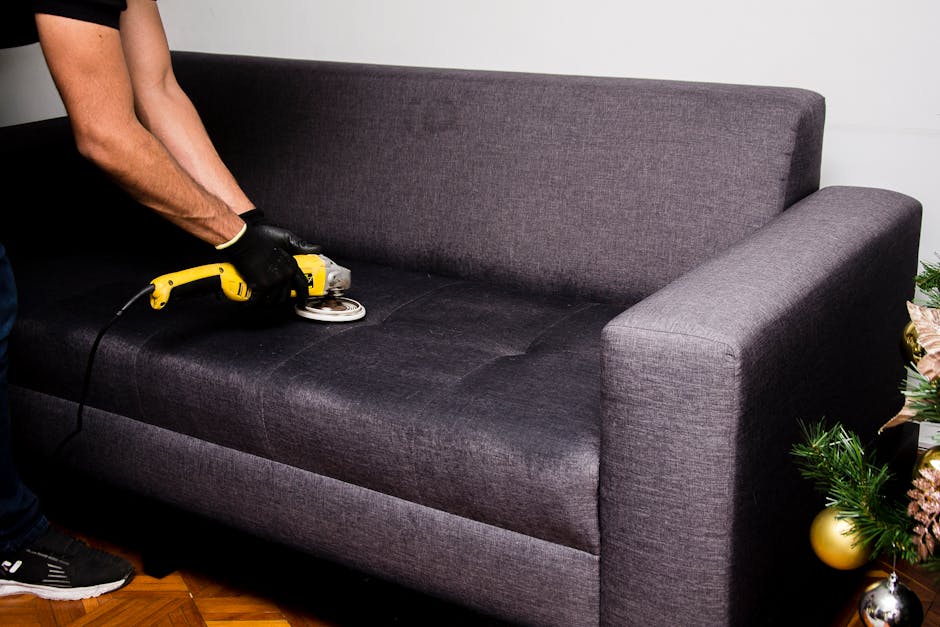
Once the fabric is identified, the cleaner chooses an approach. In many cases, the process includes dry soil removal, spot treatment, agitation with appropriate tools, and then either hot water extraction, low-moisture cleaning, or another fabric-safe technique. The goal is to lift embedded dirt without oversaturating the material or leaving residues behind.
Here is the basic sequence most people can expect:
- Pre-inspection and fibre check.
- Vacuuming or dry soil removal.
- Stain and spot pre-treatment.
- Gentle agitation where needed.
- Deep cleaning using the right method for the fabric.
- Extraction, towel finishing, or controlled drying support.
- Final inspection and aftercare advice.
The drying stage is often underestimated. If you clean a sofa but leave it damp for too long, you can end up with odour issues or a slightly rough texture. Good practice is to allow airflow, keep the room ventilated, and avoid heavy use until the fabric is fully dry. That sounds basic, but it makes a real difference.
If you want a broader idea of how upholstery sits alongside other household cleaning needs, the domestic cleaning Hackney page can help you see how services often overlap in real homes.
Key Benefits and Practical Advantages
The obvious benefit is a cleaner-looking sofa. But there is more to it than that. A proper upholstery clean can improve the feel of a room, reduce lingering smells, and help tackle the dirt that you do not always see until the sun hits the fabric at 4 p.m. and suddenly, there it is.
Here are the benefits people usually notice most:
- Better appearance: colours look fresher, fabric grain shows more clearly, and the whole piece looks less flattened.
- Odour reduction: everyday smells from food, pets, smoke, or general use can be reduced.
- Improved comfort: clean fabric often feels softer and more pleasant to use.
- Fabric care: removing abrasive dirt helps slow wear over time.
- Cleaner home environment: useful for households with children, pets, or allergy concerns.
- Better presentation: especially handy before guests, viewings, or end-of-tenancy inspections.
There is also a subtle benefit that people tend to forget: once upholstery looks clean, you naturally take better care of the rest of the space. It sets a standard. Strange but true. One tidy sofa can make the whole room feel more intentional.
For business settings or shared spaces, upholstery cleaning can be just as useful. Waiting areas, meeting chairs, and reception seating in offices near Hackney Wick station collect grime quickly. If that sounds familiar, the office cleaning Hackney service category is worth comparing alongside upholstery care.
Who This Is For and When It Makes Sense
This service makes sense for a wide range of people. If you live close to the station, maybe in a flat, townhouse, or shared property, you may need upholstery cleaning more often than you think. High-traffic homes show wear quickly. So do properties with pets, young children, or frequent visitors.
It is especially relevant for:
- Homeowners who want to extend the life of a good sofa or armchair.
- Renters preparing for end-of-tenancy checks or a move.
- Landlords wanting to refresh furniture between occupancies.
- Families managing spills, marks, and everyday wear.
- Pet owners dealing with odours, fur, or occasional accidents.
- People getting ready for guests, parties, or special occasions.
- Offices and studios with upholstered seating that needs a reset.
There are also times when it makes strategic sense rather than purely practical sense. Planning to sell a property in Hackney? Clean upholstery can make photos look better and help viewings feel more polished. Thinking of moving into the area? The local lifestyle piece on Hackney's lifestyle gives some nice context around how people use homes and shared spaces here.
Sometimes the decision is simple: the sofa looks fine from across the room, but once you sit down you notice the stale smell or the dark patch on the arm. That is usually the moment people stop debating and just book it.
Step-by-Step Guidance
If you want a calm, sensible process, this is the route to follow. It is not complicated, but doing the basics well will save a lot of frustration.
- Check the fabric label. If there is a cleaning code, note it down. Some fabrics are more sensitive than others, and this should guide the method.
- Identify the problem. Is it general dullness, a specific stain, odour, pet hair, or a combination? Different issues need different treatment.
- Vacuum thoroughly. Even if a professional is coming, a quick vacuum helps remove loose dust and crumbs.
- Test any home product first. If you are trying a DIY spot treatment, test it somewhere hidden. Always.
- Choose the right cleaning method. For some fabrics, low-moisture treatment is safer than heavy water extraction.
- Protect surrounding areas. Move cushions, clear side tables, and keep nearby walls or rugs out of the way.
- Allow enough drying time. Open windows if possible and avoid sitting on the piece too soon.
- Inspect after cleaning. Check for any remaining marks, uneven drying, or areas that need a second pass.
If you are booking a professional service, ask whether they carry out a pre-test on delicate fabric and whether they discuss expected results before starting. A good cleaner will be honest about what can and cannot be removed. That honesty matters, because not every mark is a simple dirt stain. Some are dye transfer, heat damage, sun fading, or old wear that cleaning can only improve, not erase.
Expert Tips for Better Results
Here is where a bit of lived-in experience helps. In our experience, the best upholstery results often come from small choices made before the cleaner even arrives.
- Act quickly on spills. Blot, do not rub. Rubbing pushes liquid deeper and spreads the mark.
- Keep a simple record of fabric type. If you know the material from when you bought it, save that information somewhere useful.
- Use airflow wisely. A window cracked open for a few hours can help more than people expect.
- Lift cushions if you can. Hidden areas often hold surprising amounts of dust and crumbs.
- Ask about drying expectations. A proper quote should explain what happens after the cleaning stage.
- Be realistic about stains. Old red wine, bleach marks, and long-set body oils may improve but not disappear completely.
A small but useful trick: before cleaning, look at your furniture in natural daylight, not just under indoor lighting. Evening lamp light hides a lot. Morning light, less so. You will spot the problem areas more accurately and save yourself from false optimism. Happens to everyone.
If you need to compare what a specialist might include, review the company's pricing and quotes information so you know what is normally discussed before work begins.
Common Mistakes to Avoid
Most upholstery damage during cleaning is accidental. The cleaner or homeowner means well, but the method is off. That is the frustrating part. A few avoidable mistakes come up again and again.
- Using too much water: this can leave fabric damp for too long and create odour or watermark issues.
- Scrubbing stains aggressively: that often makes the mark worse and can roughen the fabric pile.
- Assuming all fabrics can be treated the same way: they cannot.
- Skipping the pre-vacuum: loose grit can turn into abrasive paste once moisture is added.
- Ignoring the cleaning code: if the label says solvent-based care only, water-heavy methods may not be appropriate.
- Putting cushions back too soon: trapping moisture is an easy way to undo good work.
There is another mistake people make: expecting miracle results on very old furniture. To be fair, professional cleaning can achieve a lot. But if a sofa has years of wear, sun fading, fibre flattening, or past DIY mishaps, the improvement may be dramatic without being magical. That is still a win.
Another small one. People sometimes buy a strong stain remover because the label sounds confident, then apply it everywhere. Not great. Stronger is not always smarter.
Tools, Resources and Recommendations
You do not need a van full of equipment to keep upholstery looking good between professional cleans. A few reliable basics are enough for most households.
- Vacuum cleaner with upholstery attachment: useful for removing dust and loose debris.
- Microfibre cloths: good for gentle blotting and drying edges of spills.
- Soft-bristled brush: helps lift surface dust on certain fabrics, used carefully.
- Plain white towels: handy for blotting without transferring colour.
- Fan or airflow support: helps speed up drying after a safe clean.
If you are deciding between professional options, the most helpful resource is often the provider's service pages and policy pages, not just the headline price. Reading a little about the company helps you see how they handle trust, safety, and customer expectations. The pages on about the company, insurance and safety, and terms and conditions can be useful for that. It is not glamorous reading, sure, but it saves surprises later.
For people who like to plan household work in one go, pairing upholstery cleaning with broader home cleaning often makes sense. That can be especially true if you are preparing for guests, moving, or trying to reset a flat after a busy season.
Law, Compliance, Standards, or Best Practice
For upholstery cleaning, the key issue is not usually legal complexity, but good practice, safety, and fair service. In the UK, reputable cleaners should work with appropriate care around chemicals, electrical equipment, wet surfaces, and vulnerable fabrics. They should also be transparent about limitations, handling, and what happens if a stain is not fully removable.
From a customer point of view, a few best-practice expectations are worth keeping in mind:
- Clear communication: the cleaner should explain the likely method and any fabric risks.
- Safe product use: cleaning agents should be used according to their purpose and not overapplied.
- Reasonable caution with delicate items: antique upholstery or unusual materials may need a softer approach.
- Insurance awareness: a professional provider should be able to discuss safety and cover in plain language.
- Respect for access and property: especially important in flats, managed buildings, or shared entrances near the station.
You do not need to become an expert in regulations just to clean a sofa. But it is smart to choose a provider that takes safety seriously. The same goes for service reliability and complaint handling. If you like knowing how issues are managed, the pages on complaints procedure and payment and security are sensible places to check. This is one of those boring-but-useful habits that pays off.
If you are comparing cleaning during a move, the end of tenancy cleaning Hackney page may also be relevant, because upholstery is often part of a broader exit clean rather than a standalone job.
Options, Methods, or Comparison Table
Not every sofa needs the same treatment. The right method depends on the material, the condition of the fabric, and how quickly you need it back in use. Here is a simple comparison to help you think it through.
| Method | Best for | Advantages | Watch-outs |
|---|---|---|---|
| Light DIY vacuuming and spot care | Routine upkeep between deep cleans | Cheap, quick, useful for dust and small marks | Limited impact on deep grime and odours |
| Low-moisture cleaning | Sensitive fabrics or fast turnaround needs | Less drying time, gentler on some materials | Not ideal for every stain type |
| Hot water extraction | Durable fabrics with embedded dirt | Deep soil removal, strong refresh effect | Can over-wet delicate fabrics if misused |
| Specialist stain treatment | Specific spots, dye transfer, pet accidents | Targeted approach, better chance of improvement | Some stains are permanent or partially permanent |
In plain English: if the upholstery is sturdy and deeply dirty, a deeper method may work best. If the item is delicate or you need it usable again soon, a gentler process may be smarter. That choice is the difference between a good clean and a regretful one.
Case Study or Real-World Example
Here is a realistic example. A small flat near Hackney Wick station had a two-seater sofa that looked acceptable at first glance, but the owner noticed two problems: a faint cooking smell and darkening on the left arm where it had been used most evenings. The sofa was not ruined, not even close, but it had started to make the living room feel a bit tired.
Before the clean, the owner vacuumed thoroughly, removed loose cushions, and checked the fabric label. The cleaner confirmed the material was suitable for a moisture-controlled treatment. Pre-treatment was applied to the arm area, the rest of the sofa was cleaned carefully, and drying airflow was encouraged with windows open and minimal use for the rest of the afternoon.
The result was not a brand-new sofa, because that is rarely realistic. But the room felt brighter, the odour was reduced, and the fabric colour looked more even. The owner's comment afterwards was basically: "Why didn't we do this earlier?" Honestly, that is a fairly common reaction.
This kind of result is typical when the fabric is suitable, the stain is not fully set in, and the cleaning method matches the material. The real lesson? Timing matters. Earlier intervention usually gives better outcomes.
Practical Checklist
Use this quick checklist before booking or cleaning upholstery near Hackney Wick station. It keeps the process simple and cuts down on avoidable mistakes.
- Check the fabric label or any product information you still have.
- Identify the main issue: dirt, stain, odour, pet hair, or general dullness.
- Vacuum all seams, creases, and under cushions.
- Test any spot treatment in a hidden area first.
- Decide whether the item needs DIY care or professional treatment.
- Ask what cleaning method will be used and why.
- Confirm drying time and aftercare guidance.
- Move breakables and clear the area around the furniture.
- Check access arrangements if the property is in a flat or managed building.
- Review relevant service and policy information before booking.
Quick practical takeaway: if you can answer those ten points, you are already ahead of most people who start by just hoping the stain disappears on its own. Bold strategy. Usually not the best one.
Conclusion
Upholstery cleaning near Hackney Wick station is one of those jobs that pays off in small but noticeable ways. The furniture looks better, the room feels fresher, and you avoid the slow creep of grime that makes a home feel less cared for than it actually is. The trick is choosing the right method for the fabric, being realistic about stain removal, and giving the item enough drying time afterwards.
Whether you are refreshing a sofa after a busy winter, preparing for guests, or trying to protect a good piece of furniture for a few more years, a careful clean can make a real difference. And if you are comparing related services in the area, it helps to look at the full picture, not just one item on its own. That is usually where the smart decisions happen.
Get a free quote today and see how much you can save.
If you are ready to sort the fabric that has been bothering you for weeks, take the next step with confidence. A cleaner sofa may not solve everything, but it does make the room feel a lot more like home.
Frequently Asked Questions
How often should upholstery be professionally cleaned?
It depends on use, fabric type, pets, children, and whether the furniture sits in a high-traffic room. Many people book a professional clean when the upholstery starts looking dull, developing odour, or showing visible marks rather than waiting for a fixed schedule.
Can all upholstery fabrics be steam cleaned?
No, not all fabrics are suitable for steam or hot water extraction. Delicate fibres, certain natural materials, and some older furnishings may need a different approach. A proper fabric check should happen before any deep clean begins.
How long does upholstery take to dry?
Drying time varies with fabric, cleaning method, room temperature, and airflow. Light moisture methods usually dry faster, while deeper cleaning can take longer. Good ventilation helps, and it is sensible to avoid heavy use until the item is fully dry.
Will upholstery cleaning remove every stain?
Not always. Fresh stains are usually easier to improve than old or set-in marks, and some stains can permanently alter the fibre or dye. A good cleaner should explain what is likely to improve and what may remain visible.
Is upholstery cleaning worth it before moving out?
Yes, especially if the furniture is built into the inventory, is part of a furnished tenancy, or has visible wear. It can help present the property more neatly and reduce the risk of avoidable deductions related to poor condition.
What should I do before a cleaner arrives?
Vacuum the item if you can, clear nearby clutter, move small valuables, and check for fabric labels or care instructions. It also helps to point out specific stains or concerns before work starts, so nothing gets missed.
Are pet odours hard to remove from sofas?
They can be tricky, especially if they have soaked into the padding rather than staying on the surface. A professional treatment may improve the smell significantly, but the outcome depends on the age of the issue and the fabric structure.
Can I clean upholstery myself with supermarket products?
Sometimes, for minor surface marks or light maintenance. But it is easy to over-wet the fabric or use a product that is too strong. Always test first and avoid scrubbing. If the item is valuable or delicate, professional advice is usually the safer route.
What is the difference between upholstery cleaning and carpet cleaning?
Carpets are fixed floor coverings and usually tolerate different equipment and moisture levels. Upholstery has seams, padding, fibres, and fabric tension that make it more sensitive. The cleaning method should match the item, not just the stain.
How do I know if a cleaning company is trustworthy?
Look for clear service information, straightforward pricing details, sensible safety guidance, and a transparent complaints process. It also helps when the company explains limitations honestly rather than promising miracle results. That usually tells you more than flashy wording ever will.
Does upholstery cleaning help with allergies?
It can help reduce dust and other build-up trapped in fabric, which may support a cleaner indoor environment. That said, it is not a medical treatment and results vary depending on the home, the fabric, and the cleaning method used.
Can upholstery cleaning be combined with other cleaning services?
Yes, and often it makes practical sense. Many people combine it with carpet care, domestic cleaning, or a move-related deep clean so the whole space feels refreshed at once. That can save time and reduce disruption, which is always welcome.