Hackney Council rules for disposal after carpet replacement
Replacing a carpet is one of those jobs that looks simple until you are standing there with a rolled-up strip of old underlay, a heavy offcut, a bit of gripper rod, and a small mountain of dust. Then the real question hits: what are the Hackney Council rules for disposal after carpet replacement, and how do you get rid of everything without causing hassle, extra cost, or a nuisance to neighbours?
This guide breaks the process down in plain English. You will learn what counts as carpet waste, how local disposal usually works in Hackney, what to avoid, and how to choose the cleanest, most sensible route for domestic or commercial jobs. If you are planning a bigger refit, it also helps to think ahead about post-installation cleanup, especially if you are already arranging carpet cleaning, move-out cleaning, or even a broader house clearance.
Truth be told, carpet disposal is rarely the glamorous part of a renovation. But it matters more than people think. Do it badly and you can end up with blocked hallways, fly-tipping worries, or a last-minute scramble to find transport. Do it properly and the whole replacement feels much calmer.
Table of Contents
- Why Hackney Council rules for disposal after carpet replacement matters
- How Hackney Council rules for disposal after carpet replacement works
- Key benefits and practical advantages
- Who this is for and when it makes sense
- Step-by-step guidance
- Expert tips for better results
- Common mistakes to avoid
- Tools, resources and recommendations
- Law, compliance, standards, or best practice
- Options, methods, or comparison table
- Case study or real-world example
- Practical checklist
- Conclusion
- Frequently Asked Questions
Why Hackney Council rules for disposal after carpet replacement Matters
Once a carpet has been removed, it stops being a flooring issue and becomes waste management. That sounds obvious, but it is where many people get caught out. Carpet is bulky, awkward, and often mixed with other materials such as foam underlay, tack strips, nails, adhesive residue, and dust. If those items are handled carelessly, they can quickly become a dumping problem rather than a straightforward disposal job.
In Hackney, as in most London boroughs, waste disposal expectations are shaped by public cleanliness, safe handling, and responsible recycling. The exact process can vary depending on whether you are dealing with household waste, a landlord void, a rented flat, or a commercial property. So the topic is not just about throwing something away. It is about doing it in a way that fits local rules, common-sense waste practice, and environmental responsibility.
There is also a practical side. Old carpet can be bulky enough to cause issues in shared stairwells, narrow entrances, and permit-controlled streets. If you are in a top-floor flat off a busy Hackney road, you already know how quickly a "quick disposal run" becomes a logistical puzzle. A sensible plan saves time, prevents damage, and keeps everyone happier.
One more thing: if you are returning a rental property, a tidy disposal process can support your end-of-tenancy obligations. Pairing disposal with a proper finish, such as end of tenancy cleaning or deep cleaning, often makes the whole handover smoother.
How Hackney Council rules for disposal after carpet replacement Works
The basic principle is simple: carpet waste should be disposed of safely, legally, and through an appropriate route for the amount and type of waste you have. The detail, however, depends on scale and materials.
For a small domestic replacement, the old carpet may be manageable as part of a normal household waste solution if local collection rules allow it and the waste is prepared properly. For larger jobs, mixed materials, or heavier quantities, you may need a more suitable route such as a booked bulky waste collection, a recycling or waste transfer facility, or a licensed clearance service. That is where the difference between convenience and compliance starts to matter.
What most people should think about is this:
- What material is it? Carpet, underlay, rubber backing, and old gripper strips are not all the same.
- How much is there? One room is very different from a whole house.
- Is it clean or contaminated? Pet urine, mould, plaster dust, paint, or builders' debris can change how you should handle it.
- Can it be reused or recycled? Some parts may be more suitable for recycling than others, depending on condition and local facilities.
In everyday terms, that means the roll you cut out of a bedroom carpet is not automatically "rubbish in a bag." Sometimes it is, sometimes it is not. If the carpet is large, dusty, or attached to underlay, you will usually need to cut it into manageable strips and remove fixings separately. That makes carrying easier and can help with collection requirements.
For properties with communal entrances or shared bins, the rules become a bit stricter in practice. You do not want rolled carpet left in a hallway "just for tonight." That is the kind of thing that gets noticed. And not fondly.
Key Benefits and Practical Advantages
Following the right disposal process is not only about avoiding trouble. It makes the whole replacement project cleaner, quicker, and more predictable.
Here are the main benefits:
- Less disruption: A planned removal keeps walkways clear and reduces trip hazards.
- Lower risk of complaints: Neighbours, landlords, and building managers are less likely to object when waste is handled neatly.
- Better recycling potential: Some carpet components may be more suitable for recovery when separated correctly.
- Cleaner finish: Disposal and cleaning work together. A room looks better when the old material and dust are gone in one go.
- Reduced stress: You are not left staring at a roll of carpet in the front room thinking, "Right... now what?"
There is also a subtle but real value in getting this right early. If you plan disposal before the new flooring arrives, installers can move more efficiently and the room is ready for the next stage. That matters especially for time-sensitive jobs, such as letting changes, short-notice tenancy moves, or renovation projects where every day counts.
If the replacement is part of a broader refresh, a service like one-off cleaning or domestic cleaning can help restore the space once the old carpet is gone and the new one is down.
Who This Is For and When It Makes Sense
This topic is relevant to a lot more people than you might expect.
- Homeowners replacing worn carpet in bedrooms, living rooms, or hallways.
- Tenants needing to leave a property tidy after a move.
- Landlords and letting agents preparing a property between occupancies.
- Contractors and decorators dealing with after-builders waste alongside new flooring.
- Small businesses replacing commercial carpet tiles or fitted office flooring.
- Managing agents handling waste from communal areas or multiple flats.
It also makes sense any time the replacement is not tiny. If you are changing one small rug-sized section, disposal is usually simple. If you are stripping out a whole lounge, stairs, or multiple rooms, you need a proper plan. Otherwise the waste starts to dominate the job. I've seen that happen more than once: the fitting is finished, everyone is pleased, and then the old carpet sits in the garden like an unwanted guest.
For commercial settings, you may want to coordinate disposal with commercial cleaning or commercial carpet cleaning if you are replacing only part of a floor plan and need the site ready for staff or customers.
Step-by-Step Guidance
If you want a clear, workable process, follow these steps.
- Assess the waste before you start. Look at the carpet, underlay, and fixings. Decide whether the job is small, medium, or large.
- Separate materials where possible. Keep carpet, underlay, gripper rods, staples, screws, and packaging apart. Cleaner separation often makes disposal easier.
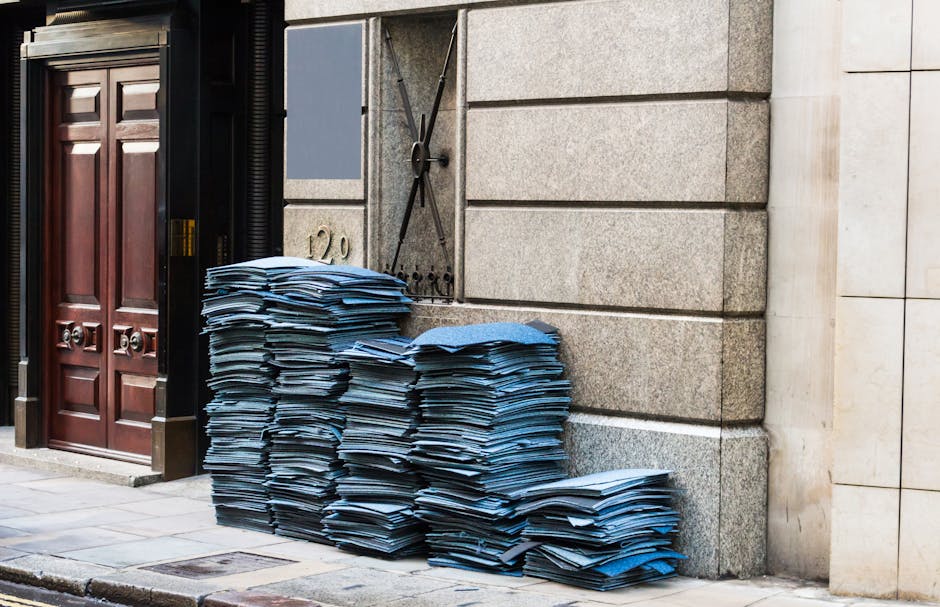
- Cut the carpet into manageable sections. Narrow strips are easier to carry, stack, and lift. Big floppy rolls are a nuisance.
- Bag or wrap loose debris. Dust, fibres, nails, and old adhesive scraps should be contained securely.
- Check the collection route. Use the right local disposal route for the amount of waste. For some homes that may mean a bulky waste collection or approved drop-off method; for larger amounts, a clearance service may be better.
- Move waste carefully through the property. Protect walls, doors, and communal areas. A small scuff can turn into a big argument very quickly.
- Clean the floor underneath. Once the carpet is out, vacuum thoroughly and remove sticky residue before the new flooring goes in.
- Confirm everything is gone. Check corners, behind doors, and under radiators. The little bits always hide there.
If the old carpet has been in place for years, you may also find dust build-up, pet smells, or stains under the edges. In that case, a targeted service such as pet stain odour removal or stain removal can be helpful before the new floor is installed, especially if you are changing from carpet to another surface.
Expert Tips for Better Results
A few small habits make carpet disposal much easier.
Tip 1: Keep a bin bag and a blade nearby. It sounds basic, but it saves a lot of back-and-forth. Trim as you go instead of trying to wrestle with one huge strip at the end.
Tip 2: Wear the right gloves. Underlay can be dusty and old gripper strips can bite. Not dramatically, but enough to be annoying. A proper pair of gloves makes a real difference.
Tip 3: Plan the route out of the building. In Hackney terraces and flats, doorways and stairwells can be tight. Measure or eyeball the route before you start hauling waste around.
Tip 4: Think about the finish, not just the removal. The room is only fully ready once the floor is clear and clean. If you are replacing carpet after a damp issue, a deeper clean may be needed before new underlay goes down.
Tip 5: Do not leave heavy waste outside. Even for a short while, it can create access problems or look like fly-tipping. That is the sort of thing that goes from "I'll deal with it later" to "why is everyone suddenly looking at me?"
For busy households, a support service like move out cleaning or move in cleaning can help synchronise the removal, cleaning, and reinstatement process so the property feels properly finished, not half-done.
Common Mistakes to Avoid
Most carpet disposal problems come from rushing. Simple as that.
- Leaving the old carpet in communal areas. Hallways, landings, and shared entrances are not storage space.
- Mixing all waste together. It is often easier to deal with carpet and fixings separately.
- Forgetting the underlay. People remember the visible carpet and then realise the underlay is still there. Oops.
- Using the wrong waste route for the volume. A small bag of debris is one thing. A full flat's worth of flooring is another.
- Dragging waste across finished surfaces. That is how fresh paint, skirting, and door frames get scuffed.
- Ignoring dust and residues. If you only remove the carpet itself, the room still feels unfinished.
One particularly common mistake is assuming carpet can be treated like any other soft waste. Sometimes that is fine in principle, but the practical side matters more: bulk, weight, contamination, and local collection expectations all shape what you should do next.
Tools, Resources and Recommendations
You do not need specialist equipment to handle a basic carpet disposal job, but a few items make everything cleaner and safer.
- Utility knife or carpet knife: for cutting the carpet into sections.
- Heavy-duty gloves: for handling gripper rods, tacks, and rough edges.
- Dust mask: useful if the carpet is very old, dusty, or has mouldy residue.
- Thick bags or wrapping: to contain loose debris and underlay crumbs.
- Vacuum cleaner: to clear fibre dust, grit, and leftover grit from the subfloor.
- Scraper or floor tool: for adhesive residue and stubborn patches.
From a service perspective, it often helps to line up carpet disposal with a broader clean. If the job follows renovation work, after builders cleaning may be the sensible next step. If you are replacing flooring in a rental, pairing it with end of tenancy cleaning or deep cleaning is often the cleaner all-round solution.
For customers who want to understand service standards and support, it can also be useful to review practical company policies such as health and safety policy, insurance and safety, and recycling and sustainability. Those pages help show how a professional provider thinks about safe work and responsible disposal.
Law, Compliance, Standards, or Best Practice
For carpet disposal, the safest way to think about compliance is to follow general UK waste principles and local borough expectations without making assumptions about a single fixed rule for every property. In practice, that means disposing of waste responsibly, avoiding fly-tipping, and using the correct route for bulky or mixed waste.
Three principles are worth keeping in mind:
- Duty of care: anyone producing waste should take reasonable steps to ensure it is handled correctly.
- Safe handling: bulky items, sharp fixings, and dusty materials should not be left where they can injure someone.
- Environmental responsibility: wherever possible, separate materials for better recovery and less landfill reliance.
Best practice also means checking local collection arrangements before you start. That is especially true if you live in a flat, a controlled parking zone, or a street where loading space is limited. It sounds boring, I know. But ten minutes of planning can save an entire afternoon of frustration.
If the carpet removal is part of a commercial project, make sure the waste route fits the premises type and building rules. Offices, shared buildings, and managed properties often need a little more coordination. Services such as office cleaning and communal area cleaning can be useful once the disposal stage is complete and the space needs to be brought back into use.
Options, Methods, or Comparison Table
There is more than one way to deal with carpet waste, and the right choice depends on size, access, and urgency.
| Method | Best for | Pros | Watch-outs |
|---|---|---|---|
| Home disposal in small quantities | Single-room jobs or small offcuts | Convenient and low effort | Only suitable if local rules and bin capacity allow it |
| Bulky waste collection | Moderate domestic volumes | Simple and controlled | May require booking and preparation |
| Reuse or recycling route | Sorted, cleaner materials | Better for sustainability goals | Not all carpet types are accepted everywhere |
| Professional clearance | Large jobs, landlords, offices, or awkward access | Fast, practical, less lifting for you | Usually more expensive than doing it yourself |
To be fair, most readers do not need the fanciest option. They need the one that fits the actual job. A small spare-room carpet and a whole maisonette refit are not cousins; they are different beasts entirely.
If your project includes awkward furniture, old mattresses, or mixed household waste, the logic often tilts towards a broader service like house clearance or regular cleaning support once the main work is done and the property is back under control.
Case Study or Real-World Example
A typical Hackney scenario might look like this. A tenant in a two-bedroom flat off a busy high street replaces tired bedroom carpet before moving out. The carpet is old, dusty, and cut in strips, with underlay and a few bags of debris from the edges. The stairwell is narrow, the building is shared, and there is no space to leave waste outside.
The sensible approach is straightforward: cut the carpet into shorter sections, separate the underlay, bag loose residue, and remove everything in one planned trip rather than dragging it out over several days. The subfloor is then vacuumed, adhesive is scraped off, and the rooms are finished with a full clean before the checkout inspection.
What made this work well was not luck. It was timing. The waste plan came before the fitting, not after it. That tiny bit of foresight saved a lot of carrying up and down stairs. And, crucially, the property looked finished instead of half-busy, half-chaotic.
In a commercial example, a small office in Hackney might remove carpet tiles during a weekend refresh. The team combines disposal with commercial cleaning and window cleaning so staff return on Monday to a space that feels reset, not just rearranged.
Practical Checklist
Use this before and after the carpet comes out.
- Confirm how much carpet, underlay, and fixing material you are removing.
- Check whether any pieces are contaminated with damp, stains, paint, or pet waste.
- Cut large carpet sections into manageable strips.
- Keep sharp fixings, staples, and gripper rods separate where possible.
- Protect floors, walls, and communal areas during transport.
- Choose the correct disposal route for the volume of waste.
- Do not leave waste in hallways, gardens, or outside shared entrances.
- Vacuum and clean the exposed floor after removal.
- Remove adhesive residue before laying new flooring.
- Double-check hidden corners, edges, and door thresholds.
If you are also refreshing soft furnishings after the work, a service such as sofa cleaning, upholstery cleaning, or curtain cleaning can make the room feel properly complete. Sometimes the floor is only half the story.
Get a free quote today and see how much you can save.
Conclusion
The safest takeaway is this: Hackney Council rules for disposal after carpet replacement are really about choosing the right waste route, preparing materials properly, and avoiding messy shortcuts. If you treat the old carpet as a bulky, mixed material rather than an afterthought, the whole job becomes easier to manage.
Plan the removal before the fitting starts. Separate what you can. Keep shared spaces tidy. And if the job feels larger than a quick DIY clear-out, bring in support so the disposal and cleaning stages work together instead of fighting each other. That is where the real value is, honestly.
Once the old carpet is gone and the room is clear, you can actually enjoy the upgrade. Fresh floor, clean air, no rolled-up surprise in the corner. A simple win, but a satisfying one.
Frequently Asked Questions
Can I put old carpet in my normal household bin?
Usually not if it is bulky or in multiple sections. Small offcuts may be manageable in some situations, but full carpet rolls or underlay normally need a more suitable disposal route.
Do I need to remove the underlay separately?
Yes, if possible. Underlay is a separate material and often makes the waste bulkier. Separating it also helps you judge how much waste you really have.
Can carpet be recycled?
Sometimes, but it depends on the material type, condition, and what local facilities accept. Clean, separated materials are generally more workable than mixed, dirty waste.
What should I do with carpet that has pet urine or mould?
Handle it carefully, keep it contained, and do not assume it can be left out with general waste. Contaminated carpet may need more cautious handling and a stronger cleaning or disposal plan.
Is it okay to leave the old carpet in the hallway until collection day?
Not a good idea in shared buildings. Hallways and communal areas should stay clear for safety and access. Keep waste inside your property until it is ready to go.
What is the easiest way to move carpet out of a flat?
Cut it into shorter strips, roll or fold it tightly, and remove one section at a time. That tends to be far easier than trying to carry one huge piece downstairs.
Do Hackney Council rules for disposal after carpet replacement differ for commercial properties?
They can in practice, because commercial premises often have larger volumes, different access arrangements, and tighter operational schedules. It is usually wise to plan disposal more carefully for businesses.
Should I clean the floor after the carpet is removed?
Yes. Vacuuming and removing adhesive residue is part of doing the job properly. A clean subfloor helps the new flooring go down smoothly and look better.
What if I have more waste than expected?
That happens a lot. If the amount is bigger than planned, it may be better to switch to a bulk collection or clearance option rather than trying to force it into a smaller route.
Can I combine carpet disposal with other clear-out work?
Absolutely. Many people combine it with after-builders clearing, furniture removal, or broader cleaning work. It is often the most efficient way to finish the whole project in one pass.
Do I need professional help for carpet disposal?
Not always. For a small room and easy access, you may manage it yourself. For larger homes, shared buildings, or tight schedules, professional help can save a lot of effort and reduce the risk of mistakes.
What is the best next step after the old carpet is gone?
Vacuum the area, inspect the subfloor, and make sure all fixings and residue are removed. If the room needs a broader refresh, book a suitable cleaning service so the new floor starts from a genuinely clean base.